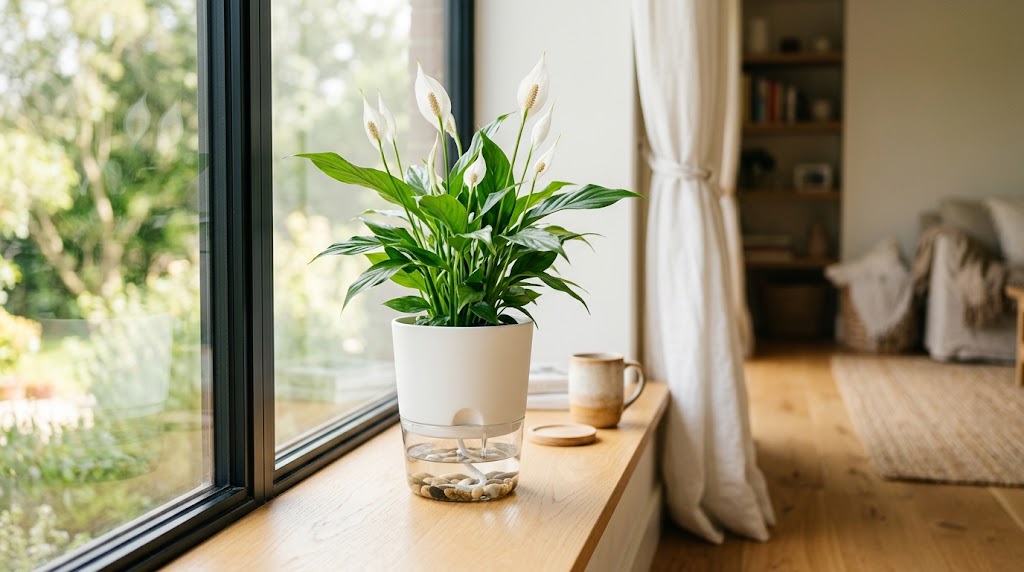
Finding the best self-watering pots for indoor plants can genuinely change how much time and worry you spend on plant care — instead of guessing when to water, the pot handles it for you through a simple wicking system that pulls moisture up from a reservoir exactly when the plant needs it. It’s one of the easiest upgrades for anyone who travels often, has a packed schedule, or just tends to forget which plants got watered when.
Here’s how self-watering pots actually work, what to look for, and our top picks. Some of the links below are affiliate links — if you buy through them, we may earn a small commission at no extra cost to you.
Quick Answer
The best self-watering pots for indoor plants use a wick system — a cotton or synthetic cord that draws water up from a reservoir into the soil through capillary action, keeping moisture consistent without daily watering. Look for a clear or marked reservoir so you can see the water level at a glance, and drainage holes so excess water doesn’t oversaturate the soil. They work especially well for moisture-loving plants like peace lilies, ferns, and pothos, and can typically go 1-2 weeks between refills depending on the plant and pot size.
How Self-Watering Pots Actually Work
A self-watering pot has two main parts: an inner pot holding the plant and soil, and an outer reservoir holding water, connected by a wick (usually cotton rope or a fabric strip). As the soil dries out, it draws water up through the wick via capillary action — the same physical principle that pulls water up a paper towel dipped in a glass.
As the University of Maryland Extension notes, self-watering containers help conserve water and nutrients while making it possible to go several days without checking the reservoir — a genuinely useful upgrade over a schedule-based watering routine.
Which Plants Do Best in Self-Watering Pots
Plants that prefer consistently moist (not soggy) soil are the best fit for a wicking system:
- Peace lily
- Ferns
- Pothos
- Spider plant
- Calathea
Plants that prefer to dry out fully between waterings — succulents, cacti, and similar drought-tolerant species — generally don’t do well in constantly moist, wicked soil, since it can trigger stress or rot rather than helping them.
What to Look for Before Buying
- Visible or marked water level. A clear reservoir window or a fill-level indicator means you’re never guessing whether it’s time to refill.
- Drainage holes. Even with a wicking system, drainage prevents the soil from becoming fully saturated and helps roots get enough air.
- Reservoir size relative to the plant. A larger plant will drink through a small reservoir quickly; match the pot size to how long you actually want to go between refills.
- Easy-to-clean design. Reservoirs can develop algae or mineral buildup over time — a pot that’s simple to rinse out saves a lot of hassle later.
Our Picks
Best Overall: Self-Watering Planter with Visible Water Level
A clear reservoir window takes the guesswork out of refilling, and the double-layer design keeps roots from sitting directly in standing water.
Best for Multiple Plants: Self-Watering Planter Set (Multi-Pack)
A set means you can convert several plants at once, especially useful if you’re prepping your whole collection before a trip.
Best for Delicate Plants: African Violet Self-Watering Pot
Sized and designed for smaller, moisture-sensitive plants like African violets, which dislike water sitting on their leaves and benefit from consistent bottom-up hydration.
How to Set One Up Correctly
- Water the soil thoroughly from the top when you first plant, so the wicking system has moisture to work with right away.
- Fill the reservoir and check it every few days at first, until you get a feel for how quickly your specific plant and pot combination uses water.
- Use a well-draining potting mix — dense, compacted soil doesn’t wick water efficiently and can lead to uneven moisture.
- Empty and rinse the reservoir occasionally to prevent algae or mineral buildup, especially in bright rooms.
If you’re setting one up specifically to cover a trip, our guide on watering houseplants while away covers additional backup options in case you’ll be gone longer than the reservoir can handle alone.
Common Mistakes to Avoid
- Using compacted or heavy soil. It blocks the wicking action and defeats the purpose of the system.
- Letting the reservoir run completely dry for extended periods. The wick can dry out and stop drawing water efficiently until it’s re-saturated.
- Using it for drought-loving plants. Succulents and cacti generally do worse, not better, in constant moisture.
- Never checking the reservoir at all. These pots reduce watering frequency, but they aren’t fully “set and forget” — occasional monitoring still matters.
If you want to double-check moisture levels directly in the soil rather than relying on the reservoir window alone, a soil moisture meter pairs well with a self-watering setup, especially while you’re still learning how it performs.
Final Thoughts on the Best Self-Watering Pots for Indoor Plants
Self-watering pots aren’t magic, but for the right plants, they genuinely take a recurring chore off your plate and reduce the risk of both over- and under-watering. Match the pot to a moisture-loving plant, set it up correctly from the start, and check in occasionally — and it can turn watering day into a once-every-week-or-two task instead of a daily one.
Read Next
- How to Water Houseplants While You’re Away
- Best Soil Moisture Meters for Indoor Plants
- Best Watering Cans for Indoor Plants

Cosmin Stefanoiu is the founder and editor of The Leafy Room, a practical guide focused on indoor plants, plant care, pots and planters, small-space gardening, and thoughtful plant styling.
He creates clear, beginner-friendly editorial guides designed to help readers choose plants, understand everyday care, and make practical decisions for real homes.