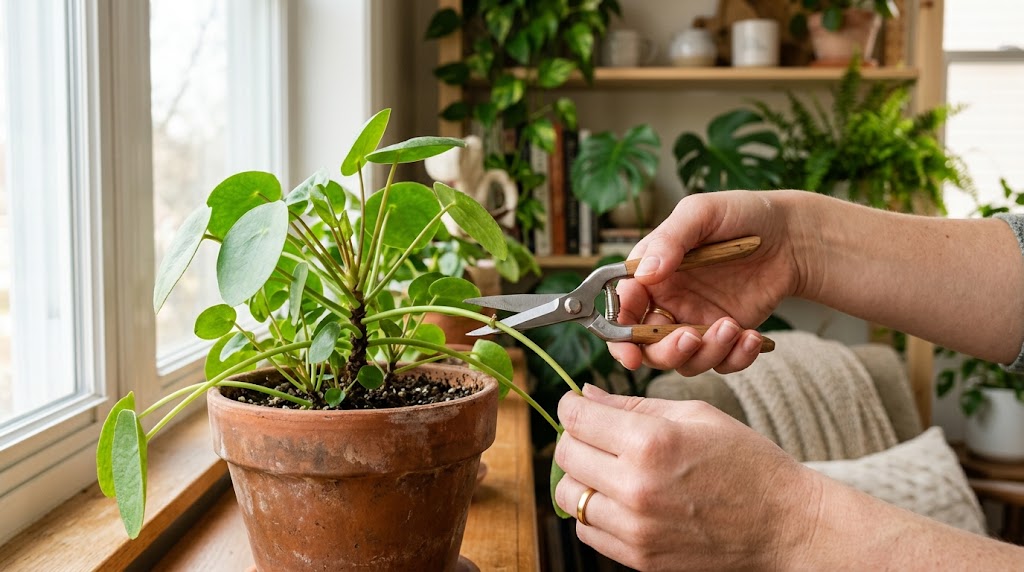
Finding the best pruning shears for houseplants doesn’t have to be complicated, but using the wrong tool — or none at all — can genuinely hurt your plants. Household scissors crush stems instead of cutting them cleanly, which leaves a ragged wound that heals slower and is more open to disease. A proper pair of small pruning shears makes cutting back, deadheading, and shaping your indoor plants faster, cleaner, and much safer for the plant.
Here are the best pruning shears for houseplants, what to look for, and how to use them correctly. Some of the links below are affiliate links — if you buy through them, we may earn a small commission at no extra cost to you.
Quick Answer
For most houseplant owners, a small pair of bypass pruning shears (also called micro-tip snips) is the right choice — they make clean, precise cuts on soft stems and are sized appropriately for houseplants rather than outdoor shrubs. Look for stainless steel blades, a comfortable ergonomic grip, and a safety lock for storage. Avoid anvil-style shears for houseplants, since they tend to crush delicate stems rather than slice through them cleanly.
Why the Right Pruning Shears Matter
Using dull scissors or the wrong type of blade on a houseplant does more damage than people realize. A crushed or torn stem heals more slowly and creates a larger entry point for fungal or bacterial issues. A clean, sharp cut heals faster and leaves the plant healthier overall.
This matters especially when you’re doing routine maintenance like pinching back leggy growth or removing spent flower spikes, where precision keeps the rest of the plant looking tidy rather than torn. As the University of Maryland Extension notes, keeping plants trimmed and free of dead or damaged growth also reduces insect and disease problems overall.
Bypass vs. Anvil Shears: What’s the Difference
- Bypass shears work like scissors — two curved blades slide past each other for a clean, precise cut. Best for houseplants, soft stems, and delicate growth.
- Anvil shears have one sharp blade that closes onto a flat surface, crushing the stem as it cuts. Better suited for dry, dead wood on outdoor shrubs — not ideal for houseplants.
For nearly all indoor plant care, bypass (or micro-tip) shears are the better choice.
What to Look for Before Buying
- Blade material. Stainless steel resists rust and stays sharp longer than cheaper carbon blades, especially if you rinse them after cutting sappy stems.
- Micro-tip blades. A narrower, pointed blade tip makes it much easier to snip precisely between leaves without damaging surrounding growth.
- Comfortable grip. Since houseplant pruning often means many small snips in one session, an ergonomic handle reduces hand fatigue.
- Safety lock. A simple lock mechanism keeps the blades closed and safe when stored, especially important if you have pets or kids around.
Our Picks
Best Overall: Micro-Tip Pruning Snips
A small, sharp pair of micro-tip snips is the right starting point for most plant owners — precise enough for delicate stems, sturdy enough for slightly thicker growth, and easy to keep in a drawer near your plant care supplies.
Best Value: Stainless Steel Bypass Shears, 2-Pack
A 2-pack means you can keep one in your plant care kit and one as a backup, or leave a set near your most-pruned plants so you’re never searching for it mid-task.
Best for Precision Work: Titanium-Coated Precision Shears
If you regularly do detailed work — trimming small terrarium plants, shaping bonsai-style houseplants, or deadheading tiny flowers — a titanium-coated blade holds a sharper edge longer, which makes fine detail work noticeably easier.
How to Use Pruning Shears Correctly on Houseplants
- Always cut just above a leaf node (the small bump where a leaf or stem emerges) — this is where new growth will branch out from.
- Make one clean, confident cut rather than sawing back and forth, which crushes the stem.
- Wipe the blades with rubbing alcohol between plants, especially if a plant shows any sign of disease, to avoid spreading issues between your collection.
- Rinse sap off the blades after cutting plants like pothos or philodendron, since dried sap can gum up the hinge over time.
If you’re not sure which growth actually needs cutting back versus which should stay, our guide on fertilizing indoor plants in fall and winter covers how growth patterns shift with the seasons, which affects how much pruning a plant actually needs at any given time.
Caring for Your Shears
A little maintenance keeps a decent pair of shears working well for years. Wipe the blades dry after use, apply a small drop of household oil to the pivot point occasionally, and store them closed with the safety lock engaged. A dull or gummed-up blade is one of the most common reasons people end up crushing stems instead of cutting them cleanly.
Final Thoughts on the Best Pruning Shears for Houseplants
A good pair of pruning shears is a small investment that makes a real difference in how your plants look and heal after trimming. Skip the kitchen scissors — a proper pair of bypass or micro-tip shears gives you cleaner cuts, healthier plants, and a much easier time keeping your indoor collection looking its best.
Read Next
- Best Soil Moisture Meters for Indoor Plants
- How to Fertilize Indoor Plants in Fall and Winter
- Nerve Plant: The Tiny Indoor Plant With Painted-Looking Leaves

Cosmin Stefanoiu is the founder and editor of The Leafy Room, a practical guide focused on indoor plants, plant care, pots and planters, small-space gardening, and thoughtful plant styling.
He creates clear, beginner-friendly editorial guides designed to help readers choose plants, understand everyday care, and make practical decisions for real homes.