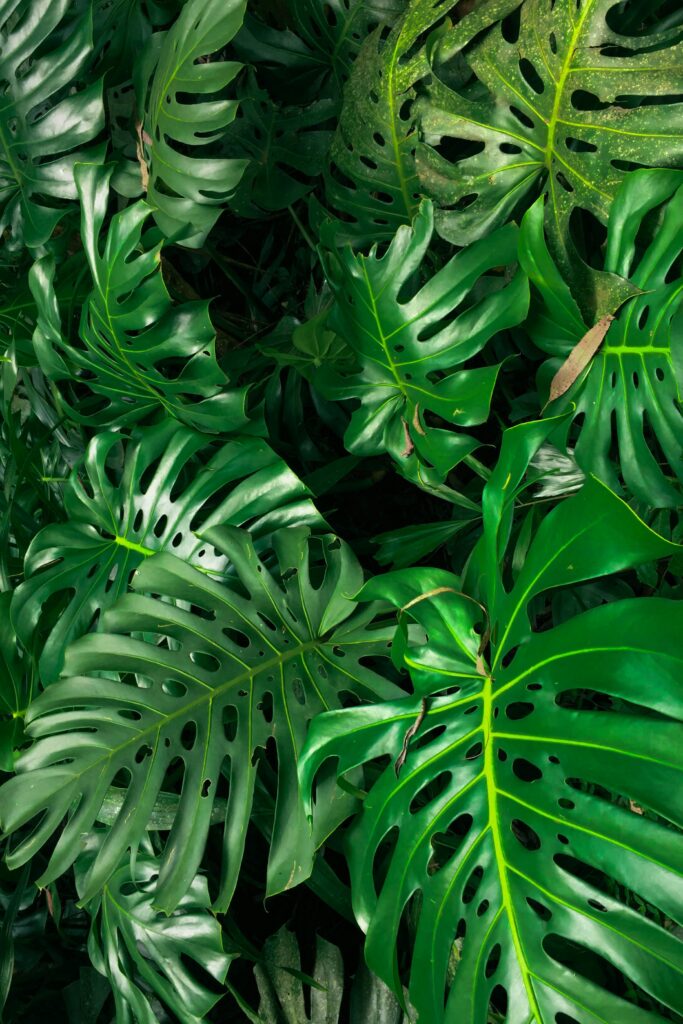
If you are a proud plant parent, seeing the lush, iconic leaves of your Monstera Deliciosa turn yellow can be heart-breaking. But don’t panic! A yellowing leaf is simply your plant’s way of communicating that something in its environment needs to change.
Monsteras are generally incredibly resilient indoor plants. If yours is losing its vibrant green color, it usually boils down to a few common care mistakes. Here is how to diagnose the problem and save your beloved urban jungle addition.
1. Overwatering (The #1 Culprit) This is by far the most common reason for yellow leaves on a Monstera. When you water your plant too frequently, the soil stays soggy, preventing the roots from breathing. This leads to root rot, meaning the plant can no longer absorb water or nutrients.
- The Fix: Always do the “finger test.” Push your index finger about two inches into the topsoil. If it feels wet, do not water it. Wait until the top 2-3 inches of soil are completely dry before watering again.
2. Poor Drainage Even if you aren’t watering too often, your Monstera might be sitting in a puddle. If your pot doesn’t have drainage holes, or if you leave excess water in the saucer beneath the pot, the roots will suffocate.
- The Fix: Ensure your plant is in a nursery pot with drainage holes inside your decorative pot. Always empty the saucer 15 minutes after watering.
3. Lack of Adequate Light Monsteras originate from tropical rainforest floors, where they receive bright, dappled sunlight. If your plant is placed in a dark, windowless corner of your apartment, it will start dropping older leaves to conserve energy, and those leaves will turn yellow first.
- The Fix: Move your Monstera to a spot with bright, indirect sunlight. Near an east-facing or a slightly shielded south-facing window is perfect. Avoid direct, harsh afternoon sun, which can burn the leaves.
4. Nutrient Deficiency If your watering habits are perfect and the light is great, but the leaves look pale or yellowing overall, your plant might be hungry. Like all living things, your indoor plants need food, especially during the active growing season (spring and summer).
- The Fix: Apply a balanced, water-soluble liquid fertilizer once a month during the spring and summer. Dilute it to half-strength to avoid burning the roots.
5. Pest Infestations Unwanted guests like spider mites, thrips, or mealybugs literally suck the life and sap out of your plant, causing leaves to turn a sickly yellow and eventually drop.
- The Fix: Inspect the undersides of the leaves and the stems closely. If you see tiny webs or small white fuzzy bugs, wipe down the leaves with a damp cloth and treat the plant with neem oil or insecticidal soap immediately.
Frequently Asked Questions (FAQ)
Should I cut off the yellow leaves on my Monstera? Yes. Once a leaf turns completely yellow, it will not turn green again. The plant is wasting energy trying to keep it alive. Use clean, sterilized pruning shears to cut the yellow leaf off near the base of the stem.
Can a yellow Monstera leaf turn green again? Unfortunately, no. A fully yellow leaf is dead tissue. Focus your efforts on fixing the root cause so the new growth comes in healthy and green.
Final Thoughts Being a plant parent is a learning curve. By adjusting your watering schedule and checking the light conditions, your Monstera will bounce back and start producing those beautiful fenestrated leaves in no time.

Cosmin Stefanoiu is the founder and editor of The Leafy Room, a practical guide focused on indoor plants, plant care, pots and planters, small-space gardening, and thoughtful plant styling.
He creates clear, beginner-friendly editorial guides designed to help readers choose plants, understand everyday care, and make practical decisions for real homes.