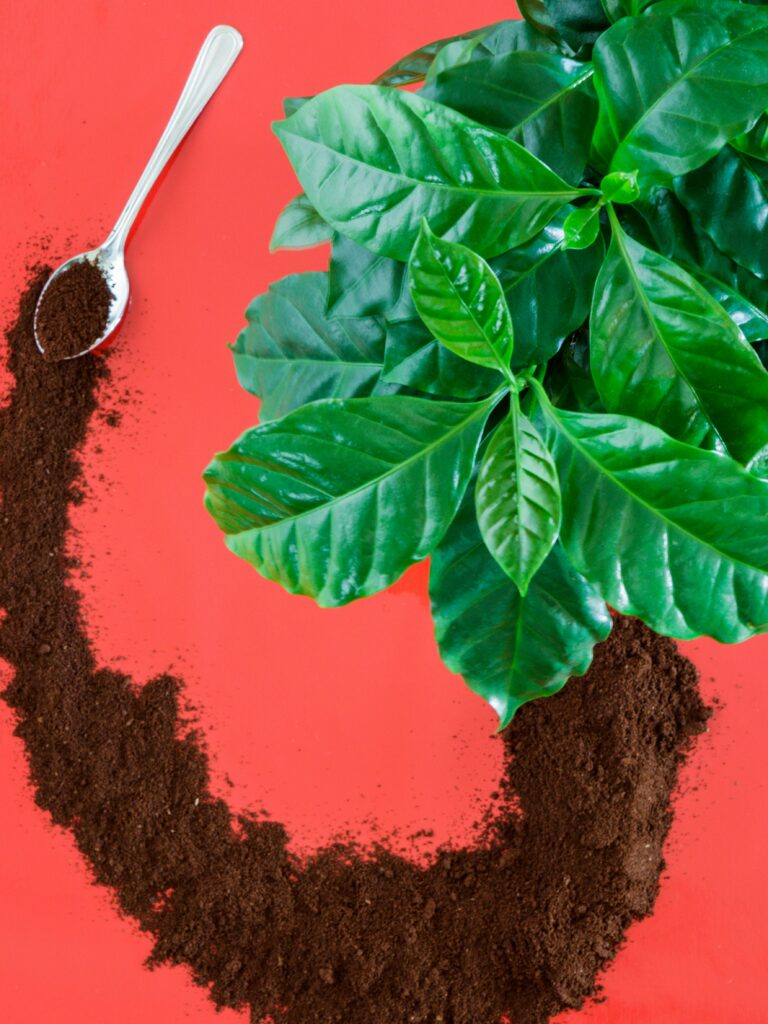
If you are a coffee lover, you are sitting on a goldmine for your garden. Every morning, millions of people dump their used coffee grounds into the trash, not realizing they are throwing away one of the best organic fertilizers available.
Coffee grounds are packed with nutrients that plants crave, and using them is a fantastic way to practice zero-waste gardening. Here is how you can use your morning “waste” to supercharge your plants’ growth.
1. Mix Them Directly into the Soil Used coffee grounds are rich in nitrogen, which is the primary nutrient responsible for lush, green foliage. They also contain traces of potassium and phosphorus.
- How to do it: Do not just dump a thick layer on top of the soil (this can create a moldy crust). Instead, scratch about 1-2 tablespoons of used grounds into the top inch of your indoor plant’s soil or mix them into your outdoor garden beds.
2. Feed Your Acid-Loving Plants While used coffee grounds are nearly neutral in pH, fresh (unbrewed) grounds are acidic. However, even used grounds have a slight acidity that certain plants absolutely love.
- The Trick: If you have Hydrangeas, Azaleas, Blueberries, or Ferns, they will flourish with an occasional coffee ground boost. It helps them maintain the soil acidity they need to thrive and produce vibrant flowers.
3. Add Them to Your Compost Pile Coffee grounds are considered “green” matter (rich in nitrogen). When you add them to your compost bin, they help speed up the decomposition process of “brown” matter like dried leaves or cardboard.
- The Trick: Coffee grounds help maintain a higher temperature in your compost pile, which kills off weed seeds and harmful pathogens faster.
4. Use Them as a Natural Pest Repellent Slugs, snails, and even some ants are not fans of the texture and smell of coffee. The abrasive nature of the grounds makes it difficult for soft-bodied pests to crawl over them.
- How to do it: Create a protective ring of dried coffee grounds around your most vulnerable outdoor plants. It acts as a natural barrier without using harsh chemicals.
5. Make a “Coffee Ground Tea” Fertilizer If you want to give your plants a quick liquid boost, you can make a mild liquid fertilizer.
- How to do it: Soak two cups of used coffee grounds in a five-gallon bucket of water overnight. Use this “tea” to water your plants. It’s a gentle way to deliver nutrients directly to the roots.
A Word of Caution: While coffee is great for many plants, some don’t like it. Avoid using coffee grounds on very young seedlings or on plants like succulents and cacti, which prefer very lean, sandy soil. Also, always make sure the grounds have cooled down before applying them!
Frequently Asked Questions (FAQ)
Can I use fresh (unbrewed) coffee grounds? You can, but be careful! Fresh grounds are much more acidic and contain more caffeine, which can actually stunt the growth of some plants. It is always safer to use grounds that have already been brewed.
Will coffee grounds attract pests? No. In fact, they usually do the opposite. As long as you mix them into the soil and don’t leave a thick, soggy layer on top, they won’t attract flies or create mold.

Cosmin Stefanoiu is the founder and editor of The Leafy Room, a practical guide focused on indoor plants, plant care, pots and planters, small-space gardening, and thoughtful plant styling.
He creates clear, beginner-friendly editorial guides designed to help readers choose plants, understand everyday care, and make practical decisions for real homes.