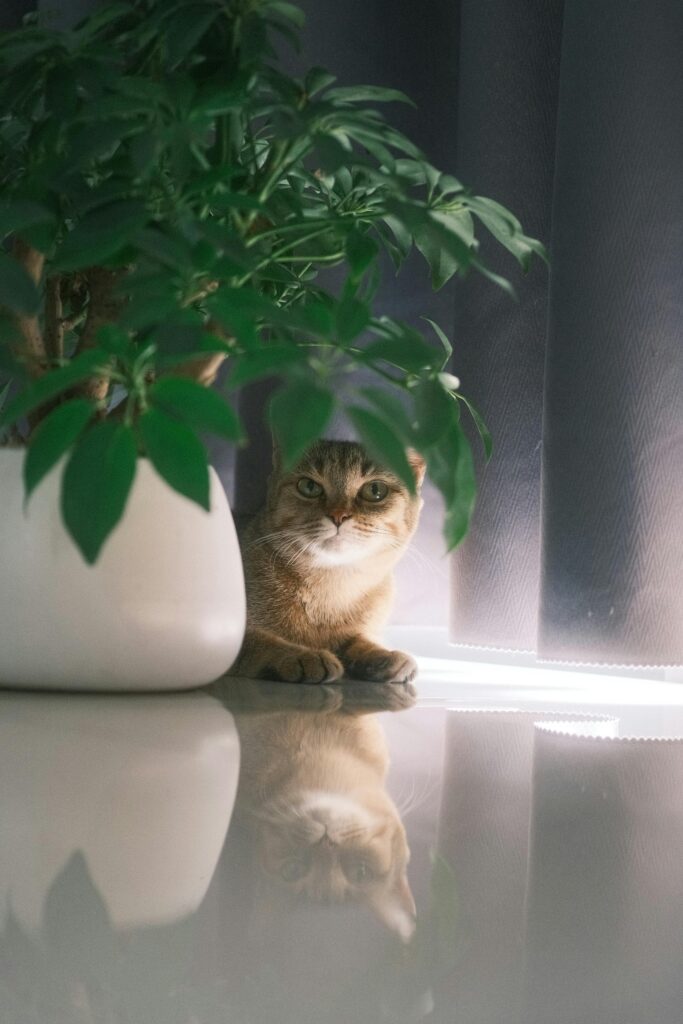
Bringing plants into your home is a great way to boost your mood and purify the air. However, if you share your living space with curious cats or dogs, you need to be extra careful. Many of the most popular and trendy houseplants are actually toxic if ingested by your furry friends.
Before you go on your next plant shopping spree, make sure you aren’t accidentally bringing home a hidden danger. Here are 5 common houseplants that are toxic to pets and should be kept out of their reach.
1. Sago Palm (Cycas revoluta) The Sago Palm is a beautiful, tropical-looking plant, but it is one of the most dangerous plants for pets. Every part of this plant is poisonous, especially the seeds (nuts).
- The Danger: Ingesting even a small amount can cause severe liver failure, vomiting, and even death in dogs and cats. If you have pets, it is best to avoid this plant entirely.
2. Lilies (Lilium and Hemerocallis species) While they are stunning and smell amazing, many types of lilies are incredibly dangerous, particularly for cats.
- The Danger: For cats, true lilies (like Tiger, Day, and Easter lilies) are highly toxic. Even licking a small amount of pollen off their fur or drinking the water from a vase of lilies can cause fatal kidney failure in less than 3 days.
3. Monstera Deliciosa (Swiss Cheese Plant) We love the Monstera for its iconic leaves, but it contains insoluble calcium oxalates.
- The Danger: If a pet chews on the leaves, these needle-like crystals cause immediate burning of the mouth, tongue, and throat. You will notice intense drooling, pawing at the mouth, and difficulty swallowing. It’s usually not fatal, but it is very painful for your pet.
4. Aloe Vera While we use Aloe for its healing properties, it is not a “healing” plant for dogs or cats.
- The Danger: Aloe contains saponins and anthraquinones, which can cause digestive upset, including vomiting and diarrhea, if eaten. It can also cause a change in urine color and lethargy.
5. Snake Plant (Sansevieria) It’s the “unkillable” favorite, but it’s not pet-friendly. Like the Monstera, it contains chemical compounds that act as a natural defense for the plant.
- The Danger: If ingested, it causes nausea, vomiting, and diarrhea. While the toxicity level is considered low to moderate, it can still cause a very bad day for your cat or dog.
What to do if your pet eats a toxic plant?
If you suspect your pet has nibbled on a toxic plant, do not wait for symptoms to appear.
- Step 1: Immediately remove any plant material from their mouth.
- Step 2: Call your veterinarian or a pet poison control hotline right away.
- Step 3: Take a photo of the plant or bring a leaf with you to the clinic to help the vet identify the toxin.
Safe Alternatives (Pet-Friendly Plants)
Don’t worry, you can still have a green home! Look for these non-toxic beauties instead:
- Spider Plants
- Boston Ferns
- Parlor Palms
- Calatheas
Want to replace your toxic plants with safe ones? Check out our guide on [7 Pet-Friendly Houseplants here]! https://theleafyroom.com/7-beautiful-houseplants-that-are-100-safe-for-your-pets/

Cosmin Stefanoiu is the founder and editor of The Leafy Room, a practical guide focused on indoor plants, plant care, pots and planters, small-space gardening, and thoughtful plant styling.
He creates clear, beginner-friendly editorial guides designed to help readers choose plants, understand everyday care, and make practical decisions for real homes.
Pingback: 7 Beautiful Houseplants That Are 100% Safe for Your Pets – theleafyroom.com